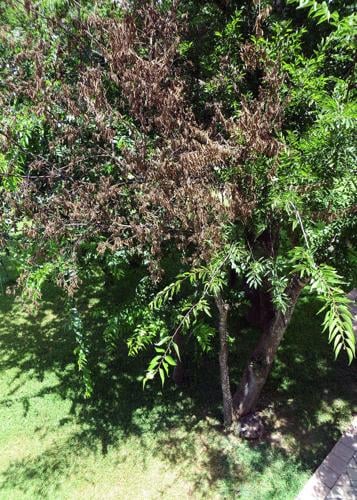
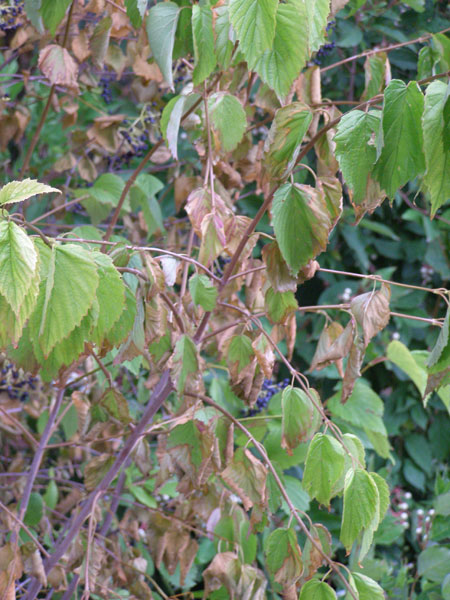
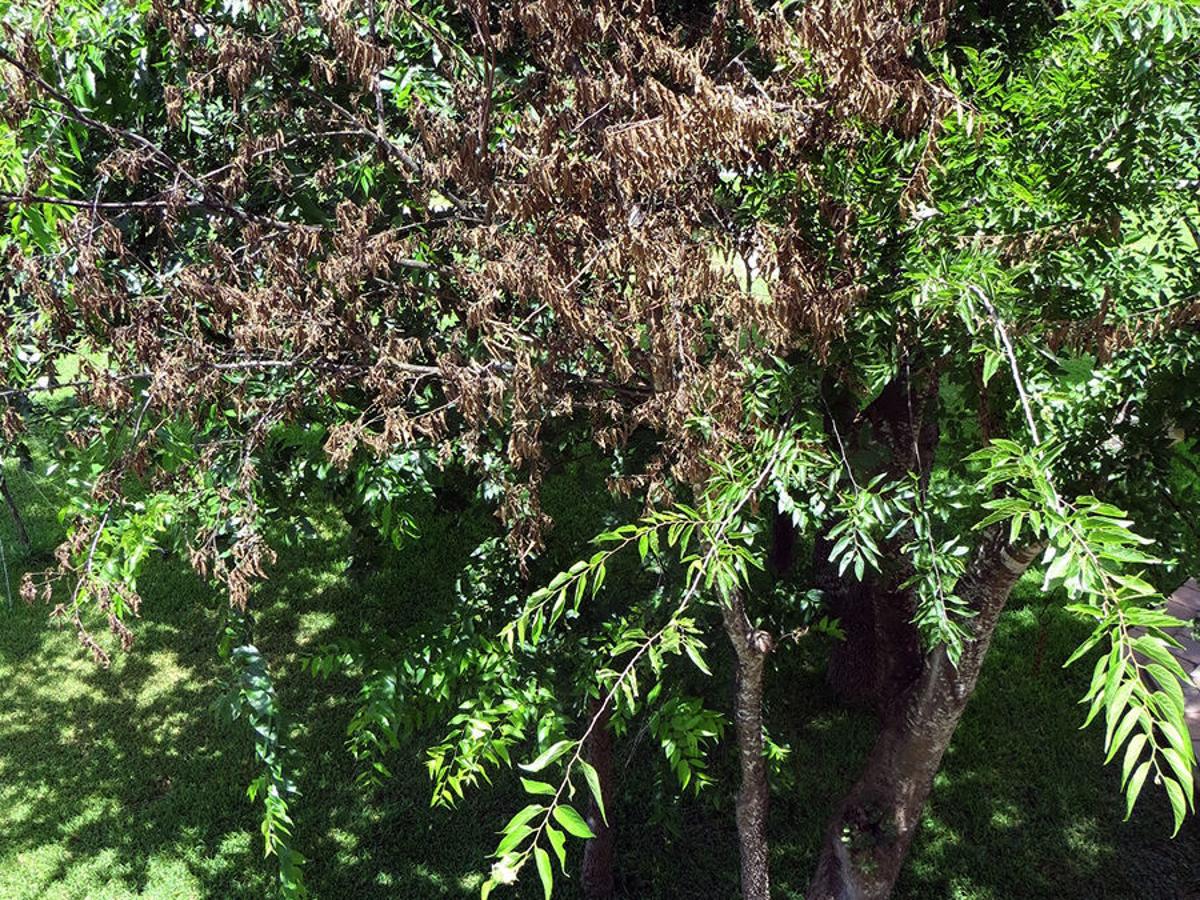
hackberry tree leaves dying
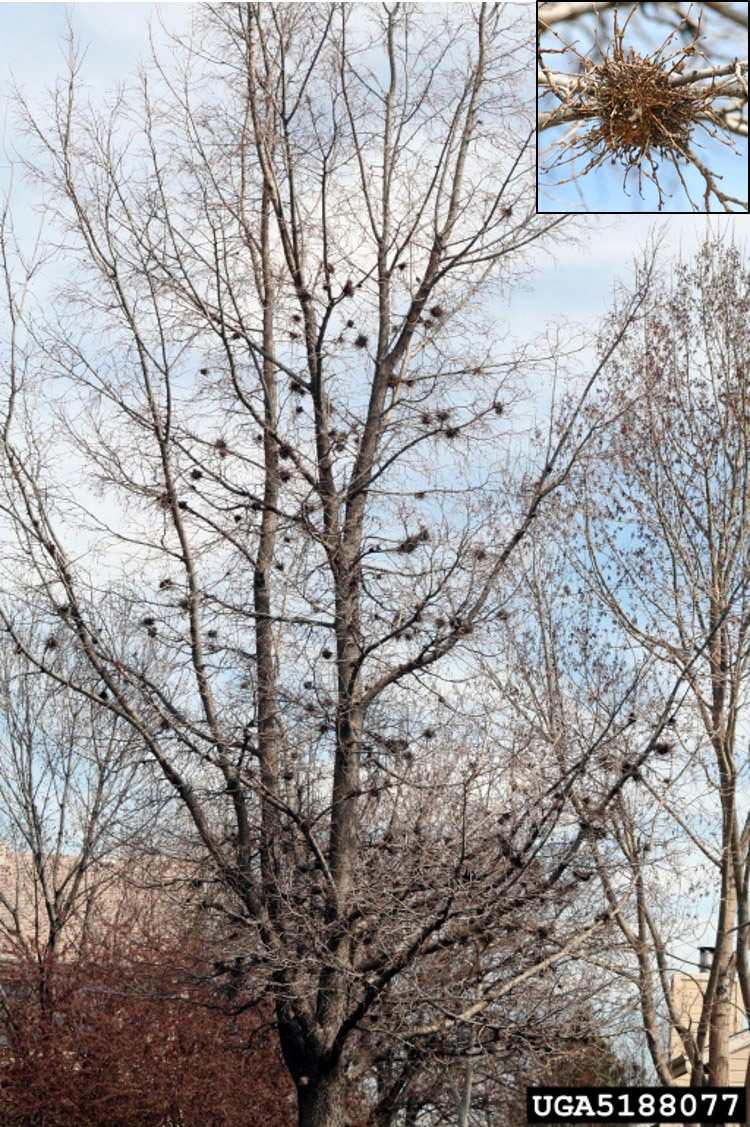
Mistletoe is an effective colonizer of hackberry which can kill a tree over a period. Cankers are brown to black sunken areas on branch that may have cracked bark and discolored sapwood.
Hackberry Trees Are Under Attack
These trees can grow up to the height of 60 feet and have a spread of around the same.
. Hack it down now. There are yellow discolorations on upper leaf surface above the nipple galls. 18th to 316th long.
The exact cause has never been determined. Characteristics of the Hackberry Tree Identification. The insects feed on the sap from the leaves and secrete sticky honeydew that in turn encourages the growth of black sooty fungus on infested tree areas.
Also known as American hackberry common hackberry Celtis occidentalis is a fast-growing member of the elm family that typically grows to a height of about 70 feet with. While all the other trees in the area are green from the recent rains the leaves on this tree are turning yellow and falling off. The most popular theory is that cold spring temperatures may have damaged the leaf buds or newly developing leaves causing the.
If the majority of leaves look green and healthy then your tree will still be able to photosynthesize and if it is generally healthy should recover with good tree care practices. One suspect is root rot. The symptoms appear to have followed this progression.
Infected branches dont leaf out in spring. We usually think of fall as the season for shedding but there are a few tree species that go against the grain. Could our tree be sick.
In past years no association was found between the leaf drop and insects or diseases. Courtesy photo Show More Show Less 3 of 4 This Joey avocado tree shows signs of iron deficiency yellowed leaves with dark green veins most prominently displayed at the ends of the branches. Sooty mold grows on the honeydew blackening absolutely everything under the tree.
Wood decay may cause problems for hackberry trees. Some trees tend to hang on to a portion of their leaves through the winter making spring leaf drop perfectly normal. The small 2 to 6 inch long green stems of new growth fell as well.
Circular nipple-like swellings that project from the undersides. Small blue-black fruits favored by birds spread seedlings all over. The browning of the hackberry Celtis occidentalis leaves is probably due to lace bugs.
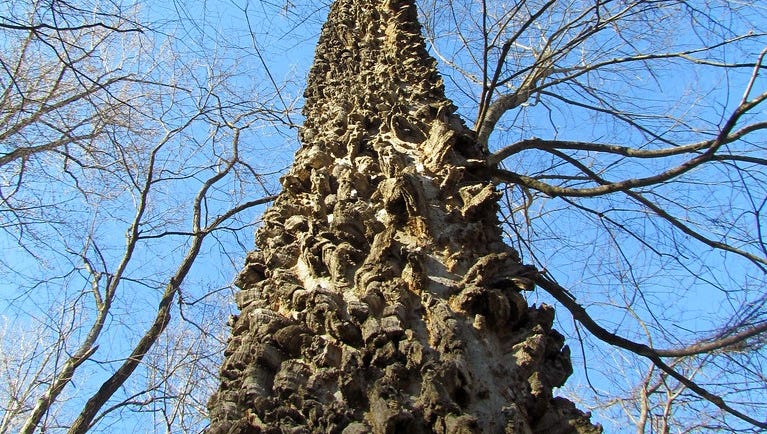
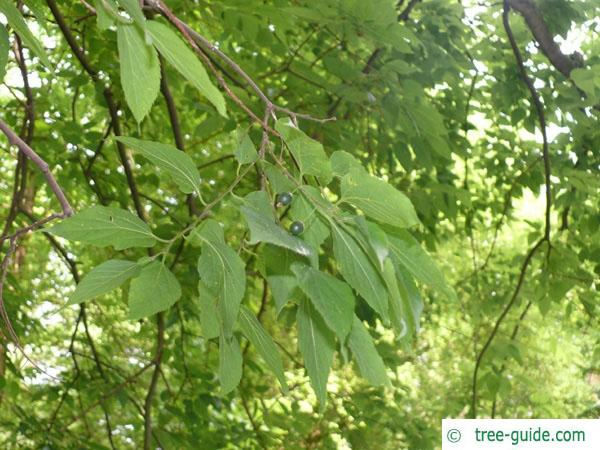
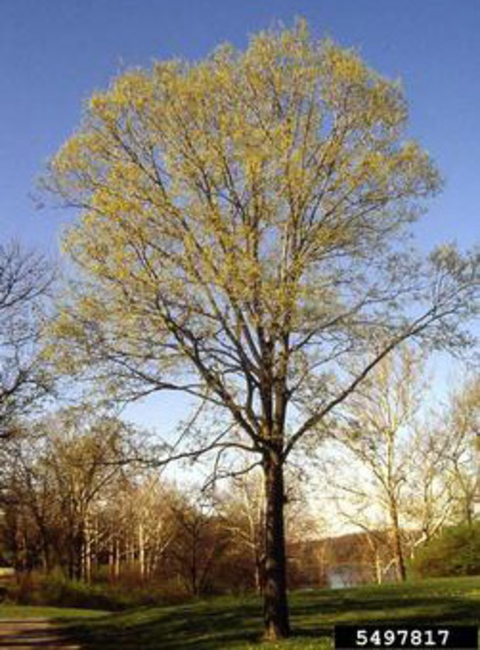
This could be caused by drought or heat stress girdling roots or a number of other stresses. Hackberry is easy to recognize by its silvery-gray bark encrusted with warty ridges. The leaves are dull green to glossy with a network of veining and serrated except at their base.
The best way to assess this tree with regard to health is to set up an. As a result a black mold known as sooty mold covers the leaves stems and possibly the bark of the tree. In the fall months the leaves will turn into a bland yellowish color before falling off.
Hackberry trees also bear ¼-inch 6 cm sized dark purple pitted fruit drupes that are valuable food sources through the late winter months for a variety of bird species including flickers cardinals cedar waxwings. Contact chemical burn was suspect as was cold injury when leaves were in the bud. Hackberry nipple gallPachypsylla celtidismamma.
But if you dont have a tree that naturally loses its leaves in spring your tree could have an infection. Garden carefully around these trees as the smallest mechanical injury creates an entry point for the fungi that lead to wood decay diseases. 15 - 21 m tall and 30 to 80 ft.
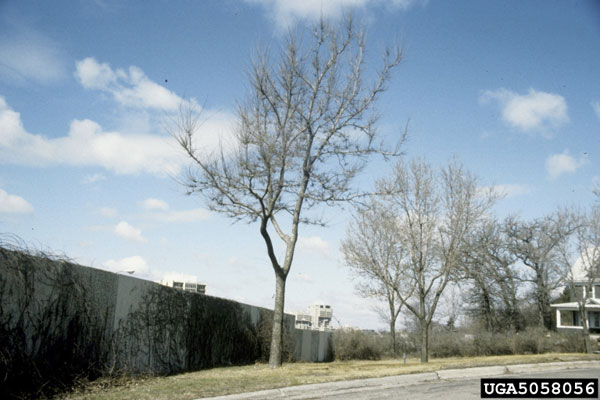
Premature leaf drop can occur during heavy infestations. This tree can even be found in Wyoming and parts of Canada. The sad truth is that most of the large hackberries are dying and it is happening at a rapid pace.
We have a tree that looks like a Hackberry and even has pea-sized berries but the leaves are larger. Hackberries are widely distributed in the eastern United States from the southern New England states all the way south to Mississippi. Adults are light brown with flecks of creamish-white and look like miniature cicadas.
They suck the sap out of the leaves and secrete a sticky residue called honeydew. The loss of leaves on hackberries in spring is an occasional phenomenon in Iowa and surrounding states. This is followed by branch dieback near the top of trees.
The leaves dried out turned brown and then dropped. Early leaf drop is a general sign of tree stress. Wooly aphids are small white insects that fall off hackberry trees and appear to float in the air.
The worst thing about hackberry is that woolly aphids feeding on the leaves drip sticky honeydew. Sugarberry trees grow between 50 and 70 ft. Powdery mildew may coat the leaves with white powder.
The leaves may be uniformly coated or only in patches. Hackberry Tree Problems. They are broad crowned and often have an erratic shape.
Two common root pathogens Ganoderma and Armillaria may infect hackberry. Trees most commonly affected are hackberry sycamore and oak. If you have problems with hackberry leaf drop give us a call.
They are actually a large infestation of Asian wooly aphids. If a hackberry tree becomes damaged due to natural elements or other causes it can be repaired by pruning dead and dying limbs. The foliage of the common hackberry is asymmetrical rough and dull green in.
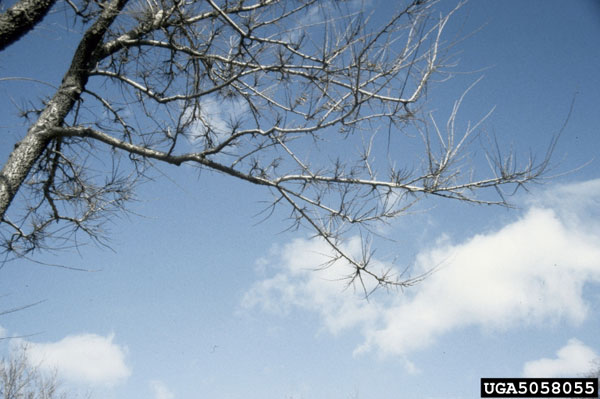
Leaves on random branches wilt turn yellow then brown during the growing season. Adult lace bugs have attractive wings that are beautifully sculptured with an intricate pattern of veins resembling. 10 - 24 m wide.
Affected trees developed healthy new leaves. Common on trees stressed by drought winter injury wounds insect feeding or other factors. Leaves failed to develop normally so the leaves are ragged or uneven in appearance with small irregular strips of.
The hackberry is also known for its distinctive bark surface which has a corky texture with warts at the base and is often described as stucco-like. Also called the sugar hackberry the sugarberry tree is a native medium-sized tree with pointed leaves small clusters of greenish flowers and reddish-purple edible fruit. No callers this year have made a sample submission.
The process of pruning requires you to cut back the pieces of dead branches in order to allow new growth to take place. Its attractive serrated leaves range from dull green to glossy and have unequal bases and tapered ends. Lace bugs are sap feeding insects commonly found on the leaves of shade and ornamental trees in Iowa.
The foliage of trees infected with armillaria mellea starts to discolor and drop prematurely. This tree could be suffering from multiple issues.

Hackberry Tree Guide How To Grow Care For Celtis Occidentalis
Common Hackberry Celtis Occidentalis

Hackberry Tree Shade Trees Small Ornamental Trees Hackberry Tree
What S Wrong With My Plant Garden University Of Minnesota Extension
Common Hackberry Umn Extension

Common Hackberry Umn Extension
Sperry Hackberry Tree May Have Unseen Decay Latest Headlines Wacotrib Com

Pin On Berries Bark Birds And Bees

Chinese Hackberry Tree Hackberry Tree Unique Trees Fast Growing Trees
What S Wrong With My Plant Garden University Of Minnesota Extension

Celtis Australis Nettle Tree European Hackberry Botanical Drawings Botanical Illustration Plant Illustration

Diagnose Tree Disease Hackberry Tree Trees To Plant Tree Care
Common Hackberry Umn Extension

Hackberry The Tree You Didn T Know Severson Dells Nature Center

Celtis Occidentalis American Hackberry Beaverwood Common Hackberry False Elm Hackberry Nettle Tree Northern Hackberry North Carolina Extension Gardener Plant Toolbox
Sperry Hackberry Tree May Have Unseen Decay Latest Headlines Wacotrib Com
Hackberry Tree Leaf Drop 572264 Ask Extension
What S Wrong With My Plant Garden University Of Minnesota Extension

Autumn Leave Contrast Poster By Mission Command Displate In 2022 Metal Posters Metal Posters Design Sturdy